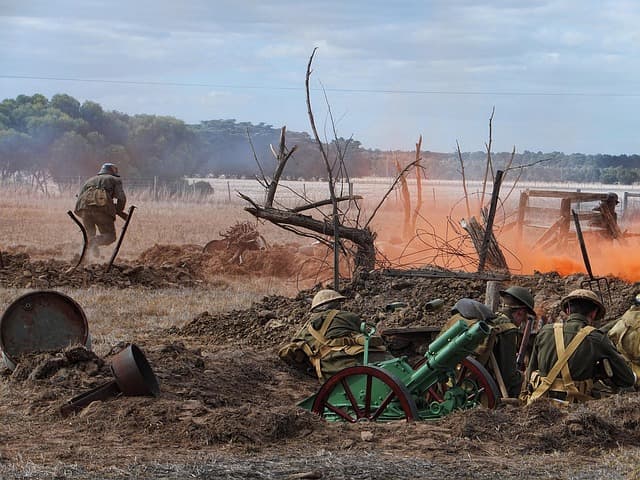
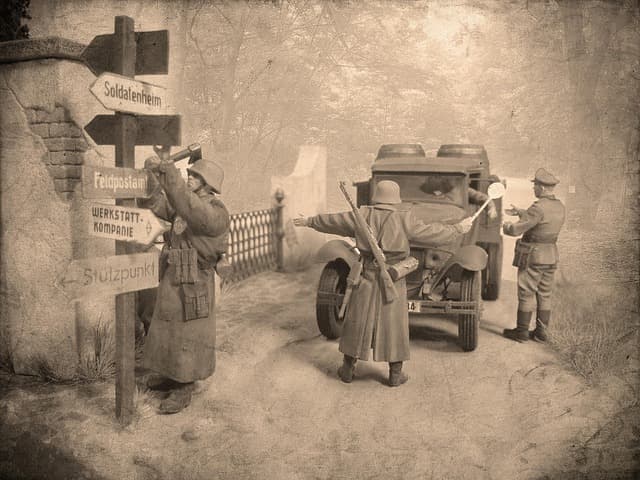
On June 22, 1941, German troops invaded the territory of the Soviet Union. The Great Patriotic War began. Hungary, Romania, Slovakia, Finland, and Italy joined Germany in its war against the USSR, and in August, Norway joined them. On July 12, 1941, an agreement was signed between the USSR and Continue Reading
Blog
Categories
Blog
Vrobel’s Chronicles: The Second Period of the War
Categories
Blog
Chronicles and Analysis of World War II
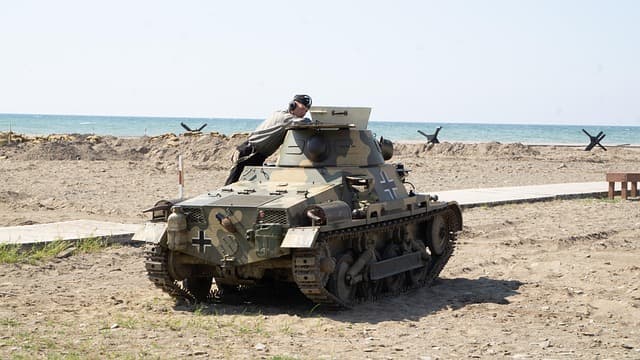
World War II, which lasted from September 1, 1939, to September 2, 1945, was started by Nazi Germany, Italy, and militaristic Japan. Sixty-one countries with a population of 1.7 billion people were drawn into the war, with military operations conducted on the territory of 40 countries, as well as in Continue Reading
Categories
Blog
Khodakievich: Part 2
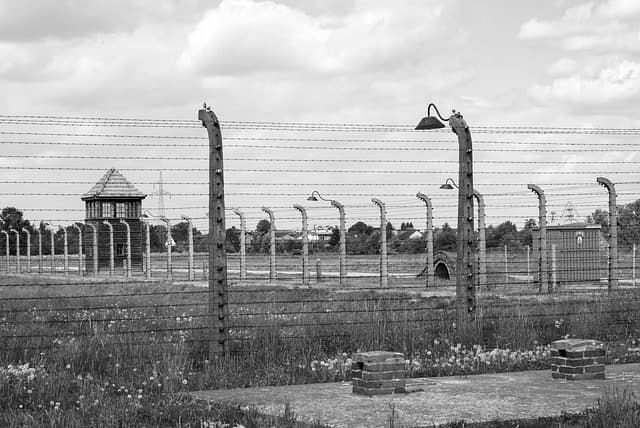
Mass Repression and Tragedy in Central and Eastern Europe While the first part of Petr Khodakiewicz’s research examined the socio-political preconditions of the war and its initial stages, the second part focuses on mass repression, deportations, and the destruction of populations, as well as the mechanisms through which these events Continue Reading
Categories
Blog
Survivors: Eyewitness Accounts
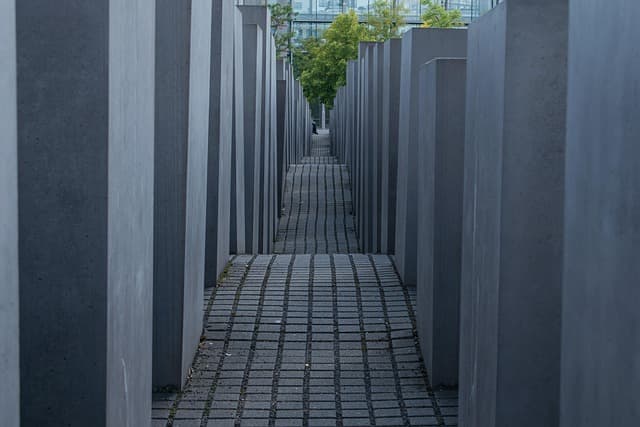
Yakov Wasserman (Krakow – Proszowice – Israel) Yakov was the eldest of three sons in a religious Jewish family living in Krakow. His father traded in flour, and every summer the family spent time at his grandfather’s farm near Proszowice. His grandfather owned a small flour mill, and Yakov’s childhood Continue Reading
Categories
Blog
Report Lucas 2: Chronicles of War
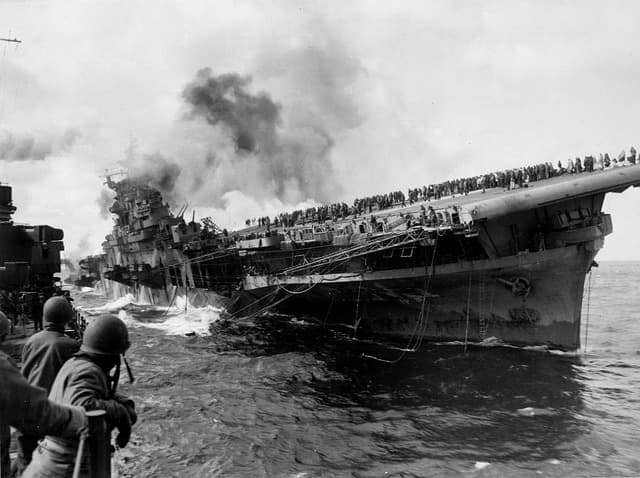
During World War II, Germany took over most of Europe using a new tactic called “blitzkrieg” (lightning war). Blitzkrieg involved a massive attack using planes, tanks, and artillery. These units were supposed to break through enemy defenses in a narrow section of the front. Air support prevented the enemy from Continue Reading
Categories
Blog
European Losses in World War II
World War II, which engulfed Europe from September 1939 to May 1945, brought unprecedented destruction and human loss to the continent. Millions of people died on the front lines, from starvation, disease, repression, and genocide. Europe became the main theater of war, where the world’s largest armies clashed, and the Continue Reading
Categories
Blog
Khodakiewicz: Part 1
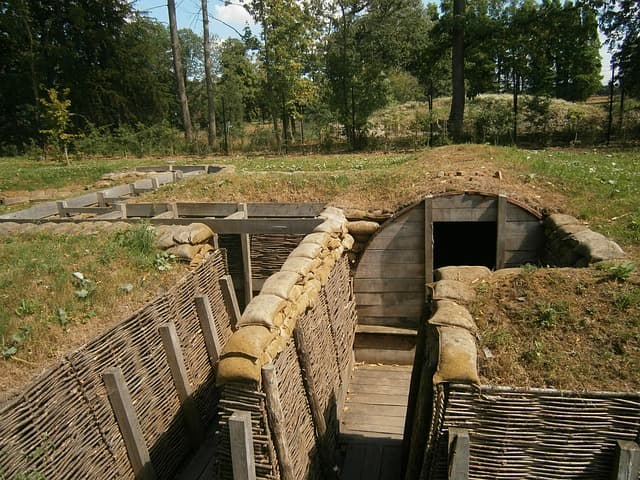
Central and Eastern Europe played a special role in the history of World War II. Empires, ideologies, and national interests collided in these territories, and the consequences of the conflict were felt for decades to come. The research of Polish historian Piotr Khodakiewicz offers a unique perspective on this period, Continue Reading