World War II, which engulfed Europe from September 1939 to May 1945, brought unprecedented destruction and human loss to the continent. Millions of people died on the front lines, from starvation, disease, repression, and genocide. Europe became the main theater of war, where the world’s largest armies clashed, and the civilian population found itself at the very epicenter of the tragedy.
Europe’s total losses are estimated at 40-45 million people, including both military and civilians. These figures are approximate because in many cases country borders changed, documents were destroyed, and the fates of millions of people have never been accurately determined. The Soviet Union suffered the greatest losses, accounting for about 26-27 million deaths. More than half of them were civilians who fell victim to occupation, starvation, mass executions, and bombings.
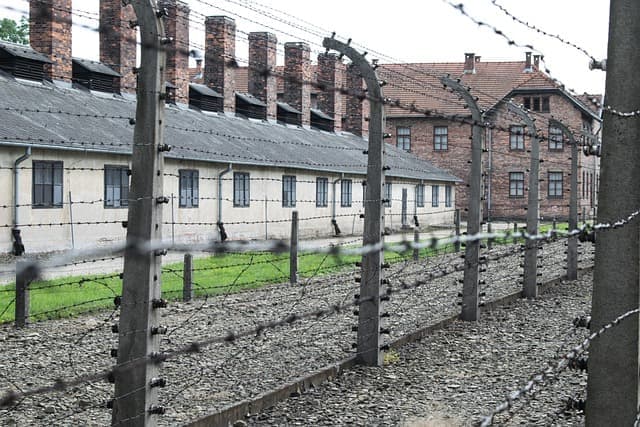
Poland, the first country to be attacked by Germany in September 1939, lost approximately 5.6–6 million people, which was about one-fifth of its pre-war population. The Holocaust was a particular tragedy for Poland: about three million Polish Jews were exterminated in ghettos and concentration camps, including Auschwitz, Treblinka, and Majdanek. The Polish civilian population suffered not only from German repression, but also from Soviet deportations and executions, including the Katyn massacre.
Germany, which started the war, was also among the countries that suffered the most by the end of it. Germany’s total losses are estimated at around 7–9 million people, including more than four million military personnel and millions of civilians who died from Allied bombing, starvation, and mass exodus from the eastern territories. By the end of the war, entire cities such as Dresden, Hamburg, and Berlin were almost completely destroyed.
France, occupied by Germany from 1940 to 1944, lost about 600,000 people. A significant portion of these were civilians who died during the occupation and liberation, as well as members of the Resistance movement. Italy, initially an ally of Germany and later a country divided between north and south, lost approximately 450,000 people.
Yugoslavia became one of the countries where the war took on the character of a civil conflict. Between 1 and 1.7 million people died here, not only in battles against the occupiers, but also as a result of ethnic cleansing, mass executions, and internecine reprisals. Similar tragedies occurred in Greece, where about 400,000 people died, mainly from starvation caused by the German occupation and from repression against partisans.
Romania, Hungary, and Czechoslovakia also suffered heavy losses, each ranging from several hundred thousand to a million lives. In these countries, the mass murder of Jews, Roma, and political opponents became part of the policy of the Nazis and their allies. In the Netherlands, about 300,000 people died, including almost the entire Jewish population of the country. Belgium, Norway, and Denmark lost fewer people, but their populations also endured years of occupation and suffering.
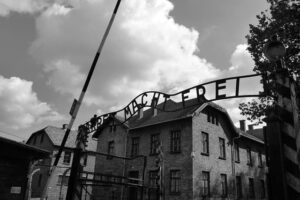
The Holocaust occupies a special place in the European tragedy — the systematic extermination of the Jewish people, Gypsies, disabled people, and other groups deemed “undesirable” by the Third Reich. In Europe alone, about six million Jews became victims of the Holocaust. Nazi Germany created an extensive network of death camps—Auschwitz, Sobibor, Belzec, Treblinka, and others—where millions of people were killed industrially.
By the end of the war, Europe was a continent of ruins and grief. Hundreds of cities were destroyed, tens of millions of people were left homeless, and millions of orphans and widows wandered among the ruins. Entire nations were displaced, borders were redrawn, and the social structure was destroyed. The war not only claimed millions of lives, but also changed the fate of Europe for decades to come. From its ashes, a new world was born, striving not to repeat the mistakes of the past, but the memory of the losses of World War II remained forever etched in the history of the continent.